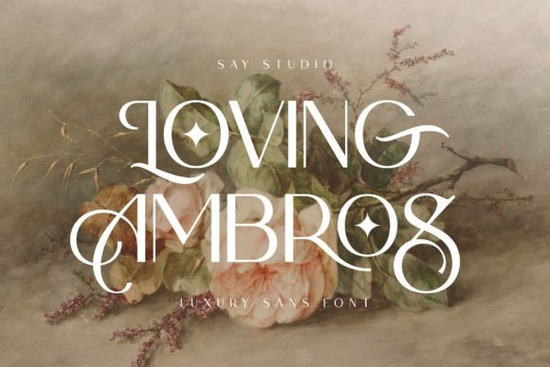
If you've been looking for a serif font that feels elegant without being stuffy, Loving Ambros Font is worth a closer look. It's a luxurious typeface designed with headlines, branding, and editorial work in mind and it holds up beautifully across print and digital projects. Whether you're a designer working on client branding or a small business owner creating your own packaging, this font brings a refined, polished quality that's hard to fake with generic typefaces.
What Kind of Projects Work Well With This Font?
The short answer: anything that needs to look premium and intentional. Loving Ambros has graceful letterforms with balanced proportions, which makes it flexible across different design contexts. Here are some common uses:
- Logos and brand identity the clean serif style gives brands a timeless, trustworthy appearance
- Wedding invitations and stationery the romantic curves suit formal event designs
- Packaging and labels adds a boutique, artisan feel to product branding
- Editorial and magazine layouts works well for article headers, pull quotes, and cover lines
- Social media graphics looks sharp in Instagram posts, Pinterest pins, and quote cards
- Vintage mood boards pairs naturally with retro textures and muted color palettes
If you sell print-on-demand products or run an Etsy shop, a font like this can help your designs feel more cohesive and professional which often translates to better customer trust.
How Does It Compare to Other Serif Fonts?
There are plenty of serif fonts out there, so how does this one stack up? It really depends on the mood you're going for. Loving Ambros leans luxurious and slightly decorative, which makes it a strong choice for branding and editorial work. But if your project calls for a different tone, you have options.
For a more structured, editorial look, The Stripes offers a clean, magazine-ready aesthetic. If you prefer something softer and more approachable, Kind Avenue brings a warm, friendly serif style that works well for lifestyle brands and invitations. For projects that need a vintage or handwritten texture, Standard Typewriter gives you that classic, worn-in character. And if you want a serif with more modern flair, Sage Averal blends contemporary style with serif elegance.
Each of these fonts serves a different purpose, so it's worth thinking about the specific tone and audience of your project before choosing.
What File Formats and Licensing Are Included?
When you pick up this font through the product page, you get standard font files that work with most design software including Adobe Illustrator, Photoshop, Canva, Procreate, and Cricut Design Space. The licensing typically covers both personal and commercial use, which means you can use it for client work, products for sale, and your own branding projects.
Always double-check the specific license terms before using any font in commercial products, especially if you're selling physical goods or digital downloads at scale.
How to Pair It With Other Fonts
Pairing serif fonts can feel tricky, but a simple rule works well here: contrast without conflict. Since Loving Ambros is a display serif with decorative qualities, it pairs best with clean, simple typefaces for body text. Think:
- A light sans-serif for body copy and smaller text
- A simple serif for subheadings that won't compete with the main headline
- A monospaced or typewriter font for accents or secondary labels
For example, you could use Loving Ambros for your main headline, pair it with a clean sans-serif for descriptions, and add a typewriter-style font like this classic option for small accent text. The contrast keeps your layout readable while maintaining visual interest.
Quick Checklist Before You Buy
Before purchasing, go through this short list:
- ✅ Confirm the font includes the characters and glyphs you need (check for special characters, numbers, punctuation)
- ✅ Make sure the license fits your use case personal, commercial, or print-on-demand
- ✅ Test it in your actual design software to see how it renders at the sizes you'll use
- ✅ Consider what fonts you'll pair it with so your overall design feels balanced
- ✅ Browse similar serif fonts to compare styles before committing
Tip: Try setting a sample headline in the font at the size you'd actually use it not just as a tiny preview. Serif fonts often look very different at 12px versus 72px, and you want to make sure the details work for your specific project.
Get Started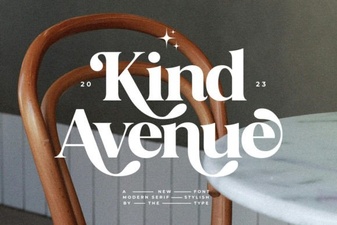 Kind Avenue Font - Elegant Serif Typeface for Classic Designs
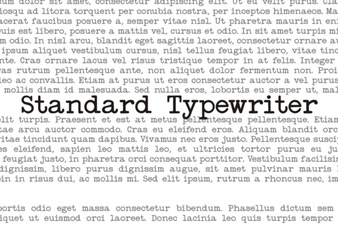 The Timeless Appeal of Standard Typewriter Fonts in Design
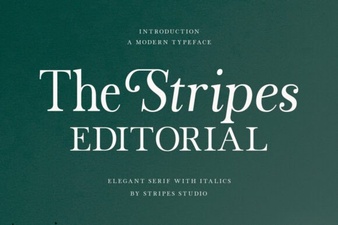 The Stripes Editorial Font for Bold Creative Design
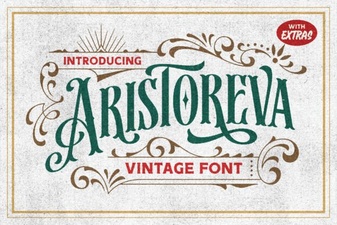 Elegant Typography for Creative Projects
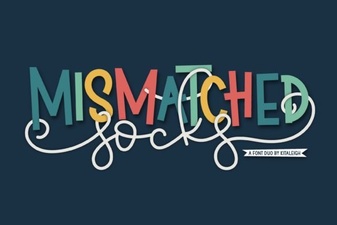 Mismatched Socks Font - Playful Sans Serif Display Typeface
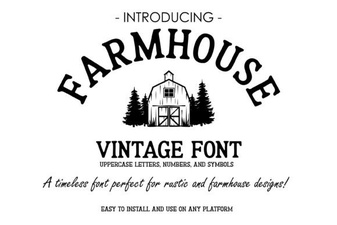 Farmhouse Vintage Font: Rustic Charm for Modern Designs