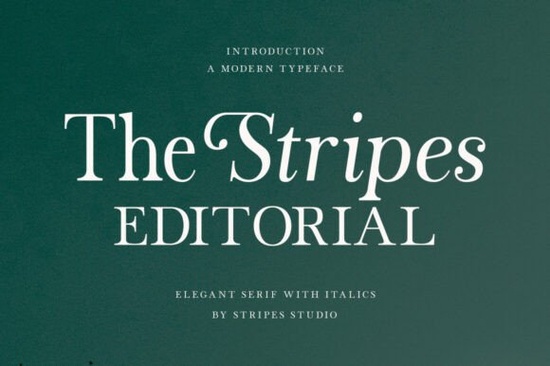
If you're looking for a serif typeface that works beautifully across editorial layouts, branding, and print-on-demand designs, The Stripes Editorial Font is worth a closer look. It comes with four distinct styles Regular, Italic, Scale Italic, and Slant giving you real flexibility without needing to install multiple separate font families.
What makes this serif font different from others?
Most serif fonts lean heavily in one direction either too traditional or too trendy. This typeface sits comfortably in the middle. Its subtle serif detailing and graceful contrast give it a polished, professional look that doesn't feel stiff or outdated.
Here's what each style brings to the table:
- Regular Balanced and refined. Great for body text, paragraphs, and long-form editorial layouts.
- Italic Elegant and expressive. Works well for emphasis, pull quotes, or adding a poetic touch.
- Scale Italic A uniquely proportioned slant with artistic flow. Stands out in display settings and creative compositions.
- Slant Clean and geometric. Adds a sense of motion and modernity to headlines and short text.
This range of styles means you can handle an entire project from headers to body copy with a single font family. If you want to explore the full details and download options, the product page has everything you need.
Who is this font a good fit for?
This typeface works well for a wide range of creative projects:
- Print-on-demand sellers who need readable, stylish text for book covers, journals, or quote-based designs.
- Small business owners creating branding materials, packaging, or social media graphics.
- Designers and typographers working on editorial layouts, magazines, or publishing projects.
- Crafters and hobbyists making invitations, greeting cards, or wall art with a refined feel.
If you've used fonts like Sage Averal and appreciated its warm, editorial character, you'll likely enjoy working with this one too.
How does it compare to other serif fonts?
There are plenty of serif fonts available, but not all of them offer this kind of style range in a single package. For example, a classic serif with gentle curves like Kind Avenue is lovely for elegant designs, but it doesn't include the geometric Slant option that gives The Stripes its modern edge.
Similarly, a romantic serif with flowing letterforms like Loving Ambros is perfect for wedding invitations and romantic branding, but it leans more decorative than editorial.
If you prefer something more minimal, a monospaced typewriter-style typeface such as Standard Typewriter offers a completely different aesthetic clean, mechanical, and nostalgic.
And for those who like a bold, structured serif with strong contrast, this sophisticated serif option pairs nicely alongside The Stripes in multi-font layouts.
What types of projects work best with this font?
Based on its design and readability, here are some specific use cases:
- Book and magazine layouts The Regular style handles long paragraphs well, keeping text readable at smaller sizes.
- Logo and brand identity The Italic and Scale Italic styles add personality without sacrificing clarity.
- Website headers and hero text The Slant style brings a modern, dynamic feel to digital screens.
- Social media graphics Mix and match styles for quote posts, announcements, and promotional content.
- Print products Journals, planners, business cards, and packaging all benefit from a versatile serif.
For a deeper understanding of serif typography and how it shapes design, this Wikipedia article on serif typefaces is a solid reference.
A few practical tips before you start
- Test all four styles in your design software before committing to one. Sometimes the Scale Italic looks better for a heading than you'd expect.
- Pair it with a simple sans-serif for body text if you're using it primarily for headlines. This keeps your layout balanced.
- Check licensing terms on Creative Fabrica to make sure your intended use commercial or personal is covered.
Quick checklist before you buy
- ✔ Review all four styles and confirm they match your project's tone
- ✔ Check that the font includes the characters and glyphs you need
- ✔ Verify the license covers your specific use case (POD, commercial, etc.)
- ✔ Download and test the font in your preferred design tool before finalizing
- ✔ Consider pairing it with a complementary typeface for full layout flexibility
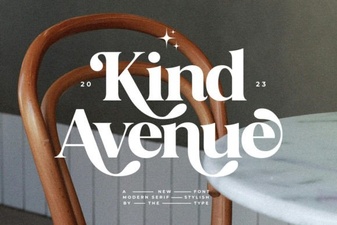 Kind Avenue Font - Elegant Serif Typeface for Classic Designs
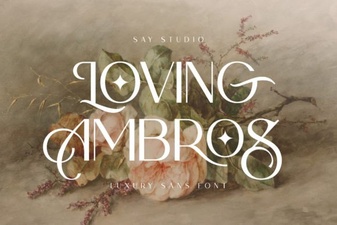 Loving Ambros Font: Elegant Typography for Creative Projects
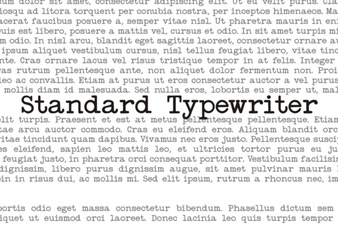 The Timeless Appeal of Standard Typewriter Fonts in Design
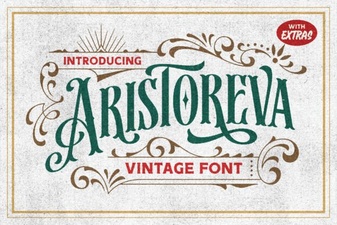 Elegant Typography for Creative Projects
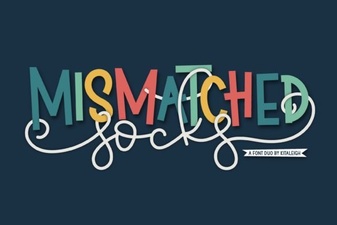 Mismatched Socks Font - Playful Sans Serif Display Typeface
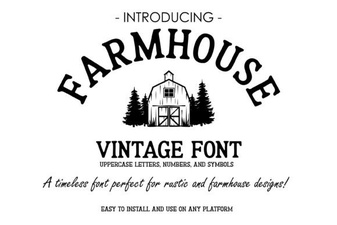 Farmhouse Vintage Font: Rustic Charm for Modern Designs