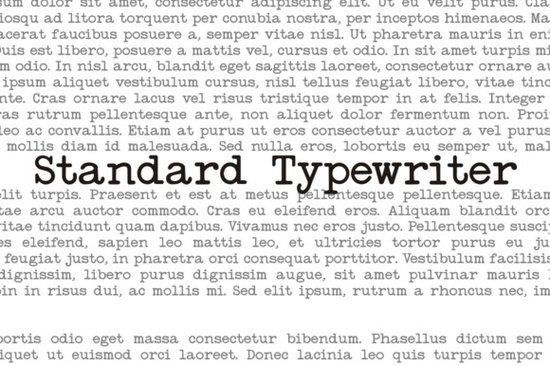
If you've ever wanted that classic, slightly imperfect look of old typewritten text in your designs, the Standard Typewriter Font delivers exactly that. It's a clean sans serif typeface built to mimic the mechanical feel of vintage typewriting machines uneven edges, subtle spacing quirks, and all. Whether you're working on print-on-demand products, brand materials, or personal projects, this font brings a nostalgic, authentic touch without looking outdated.
Let's take a closer look at what makes this font worth adding to your toolkit, and how you can actually use it in your creative work.
What Does the Standard Typewriter Font Look Like?
Think of the letters you'd see on a page pulled from an old Remington or Royal typewriter. The strokes are uniform in weight no thick-thin contrast like you'd find in a calligraphy font. The characters have slightly rounded terminals and just enough imperfection to feel hand-produced rather than digitally perfect.
Because it's a sans serif design, it stays readable at smaller sizes. That makes it flexible enough for both headlines and body text, depending on the project. It doesn't try to be fancy. It just looks like real typewritten text, and that simplicity is exactly the point.
Who Is This Font Best For?
This font works well for a surprisingly wide range of creators:
- Print-on-demand sellers Great for vintage-style t-shirt quotes, mug designs, and poster layouts where you want a retro, handmade feel.
- Small business owners Use it on packaging, thank-you cards, or branding materials that lean into an artisan or retro aesthetic.
- Designers and illustrators Pair it with serif or script fonts to create contrast in editorial layouts, book covers, or social media graphics.
- Crafters and hobbyists Perfect for scrapbooking, journaling, and DIY printables like labels, tags, and wall art.
- Bloggers and content creators Use it for pull quotes, section headers, or visual breaks that add personality to a page.
How Can You Pair It With Other Fonts?
A typewriter font on its own can feel a little flat. The trick is pairing it with typefaces that bring contrast. Here are a few combinations that work well:
For a warm, feminine look, try combining it with something like Loving Ambros Font, which has elegant serif curves that balance out the mechanical feel of typewriter text. This kind of pairing works nicely on wedding invitations, boutique branding, or lifestyle blog headers.
If you're going for clean and professional, consider pairing it with a refined serif like Sage Averal Font. The contrast between structured serif letterforms and the raw typewriter texture creates visual interest without clashing. Think resumes with personality, editorial spreads, or minimalist business cards.
For editorial and magazine-style layouts, mix it with something bold like The Stripes Editorial Font. Use the editorial font for main headlines and let the typewriter font handle subheadings, captions, or pull quotes. The result feels curated and intentional.
Looking for something soft and approachable? A friendly serif like Kind Avenue Font pairs well for greeting cards, children's book layouts, or cozy café branding. The typewriter font adds just enough edge to keep things from feeling too sweet.
Where Does a Typewriter Font Work Best?
Typewriter fonts shine in specific contexts. Here's where the Standard Typewriter Font tends to perform best:
- Vintage-themed designs Think retro posters, old newspaper layouts, or mid-century branding mockups.
- Quotation graphics The typewriter aesthetic gives quotes a contemplative, literary feel.
- Labels and packaging Especially for handmade goods, apothecary-style products, or rustic packaging.
- Website accents Use it sparingly for callout text, testimonial sections, or blog post bylines.
- Digital journals and planners Typewriter text mimics the look of typed notes, which fits the journal aesthetic perfectly.
One thing to keep in mind: typewriter fonts can lose legibility at very small sizes on screen. If you're using it for web design, test it at the actual display size before committing. For print, it usually holds up well even at smaller point sizes.
Technical Details Worth Knowing
The Standard Typewriter Font is a sans serif typeface designed specifically to reproduce the look of mechanical typewriter output. It works across standard design software Adobe Illustrator, Photoshop, Canva, Procreate, Cricut Design Space, and others that support TTF or OTF files.
Because the letterforms are simple and evenly weighted, it renders well on both light and dark backgrounds. It's also a solid choice for single-color printing, since it doesn't rely on decorative details that might get lost in low-resolution output.
Quick Tips for Using Typewriter Fonts in Your Projects
- Don't overuse it. A full paragraph in a typewriter font can be hard to read. Use it for short bursts of text headlines, quotes, labels.
- Add subtle texture. Pairing a typewriter font with a worn paper texture or slightly off-white background amplifies the vintage effect.
- Adjust letter spacing. Real typewriters had fixed character widths. Slightly increasing your tracking can enhance that authentic mechanical feel.
- Experiment with color. Instead of pure black, try dark gray, deep navy, or even a faded ink tone for a more realistic result.
- Pair thoughtfully. A typewriter font plus another typewriter font looks redundant. Always pair it with a contrasting style serif, script, or geometric sans serif.
What Should You Do Next?
Before downloading, here's a quick checklist to make sure the Standard Typewriter Font fits your needs:
- Check the license Make sure it covers your intended use, especially for commercial products like POD items or client work.
- Download and test Open it in your preferred design software and type out a few sample phrases to see how it feels.
- Plan your pairings Pick one or two complementary fonts from your library before you start designing. This saves time and keeps your layouts cohesive.
- Use it intentionally Reserve it for projects where that retro, mechanical aesthetic actually supports the message. Not every design needs a typewriter font, but when it fits, it really works.
You can find the Standard Typewriter Font on Creative Fabrica, along with hundreds of other serif, sans serif, and display typefaces for your next project. If you're building a font library, it's a solid addition alongside other versatile options like Loving Ambros Font, Sage Averal Font, The Stripes Editorial Font, and Kind Avenue Font all available through the Standard Typewriter Font page or by browsing Creative Fabrica's full font collection.
Get Started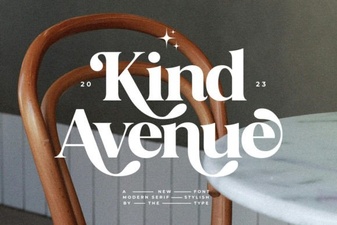 Kind Avenue Font - Elegant Serif Typeface for Classic Designs
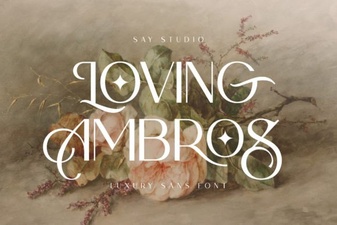 Loving Ambros Font: Elegant Typography for Creative Projects
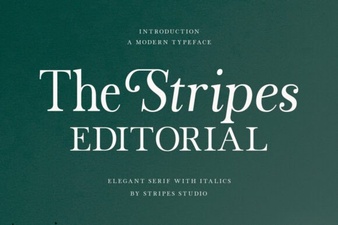 The Stripes Editorial Font for Bold Creative Design
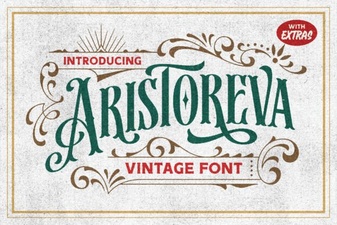 Elegant Typography for Creative Projects
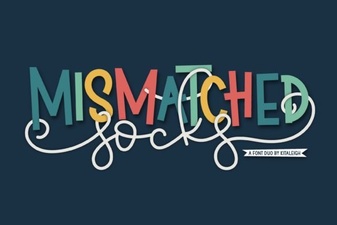 Mismatched Socks Font - Playful Sans Serif Display Typeface
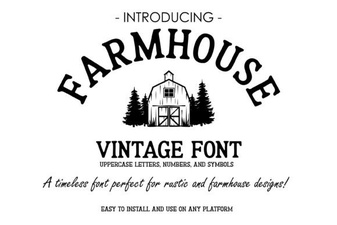 Farmhouse Vintage Font: Rustic Charm for Modern Designs